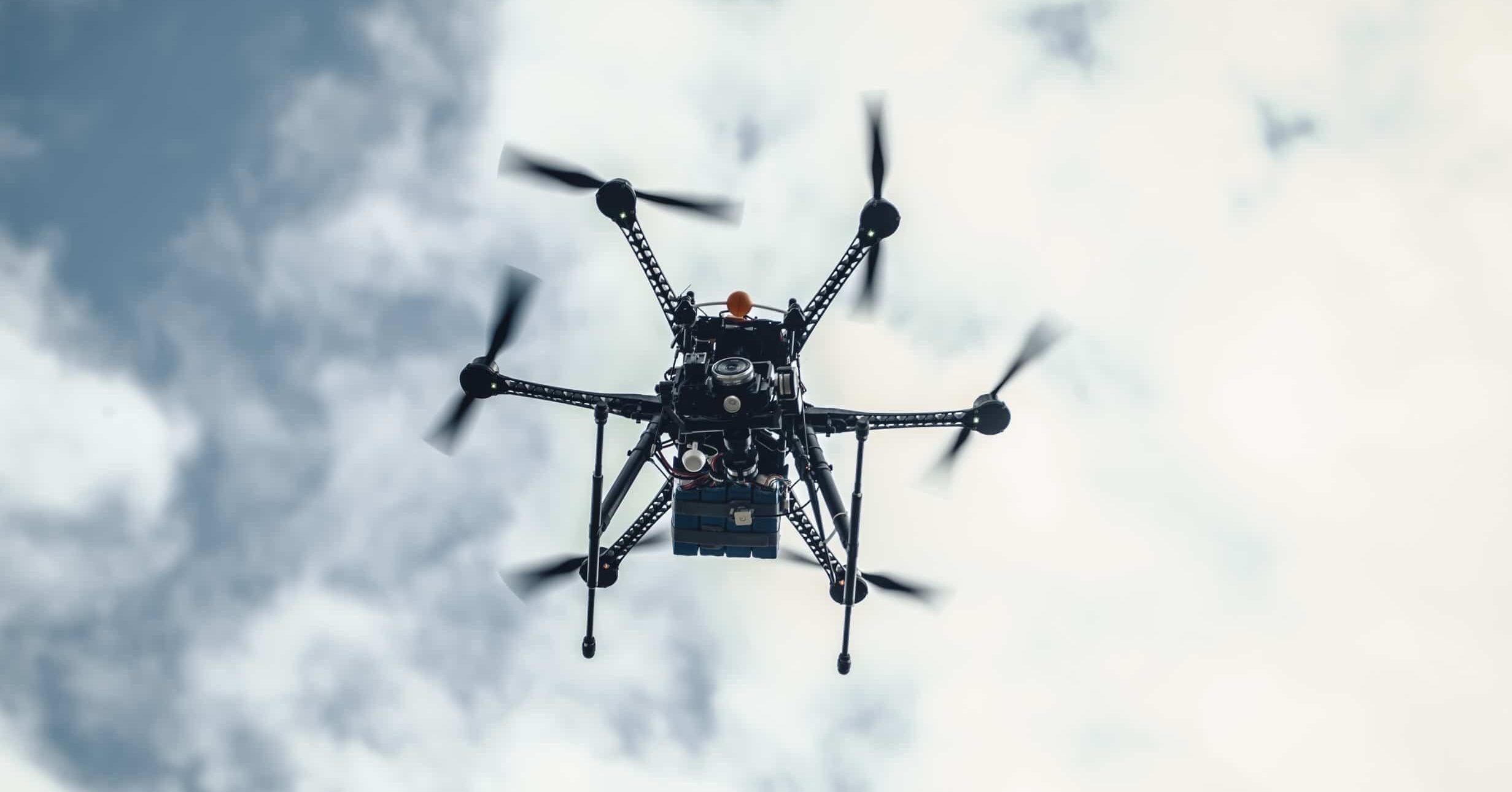
Senior U.S. Army ground forces commanders watched nervously as a swarm of drones advanced toward them. Forty-nine drones flying at high speed in perfect coordination presented a difficult threat to counter. Beads of sweat appeared on their foreheads in the Arizona desert heat. Then the operator pressed a button and a high-powered microwave beam was fired at the swarm, bringing all of them down at once. “It fried them,” as the common phrase goes.
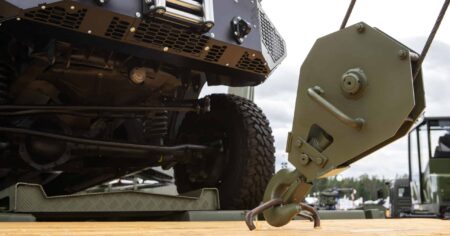
That 2024 event was a demonstration of the Leonidas defense system by the U.S. company Epirus, showcasing the capabilities of high-power microwave technology, or HPM. Early this year, the company again demonstrated that a mobile version of Leonidas could down a fiber-optic drone, similar to the first-person view (FPV) drones Hezbollah has used in recent months. The question now is increasingly relevant for the IDF: are HPM systems the ultimate answer to FPV drones?
In recent months, Israel’s security establishment has come to view the drone threat as a strategic challenge, with implications for deterrence, defense spending and, above all, soldiers’ lives. Fiber-optic drones, difficult to detect and immune to jamming because they remain physically connected to their operators by cable, have killed and wounded numerous soldiers and officers.
Continue reading this article on ynetnews.com