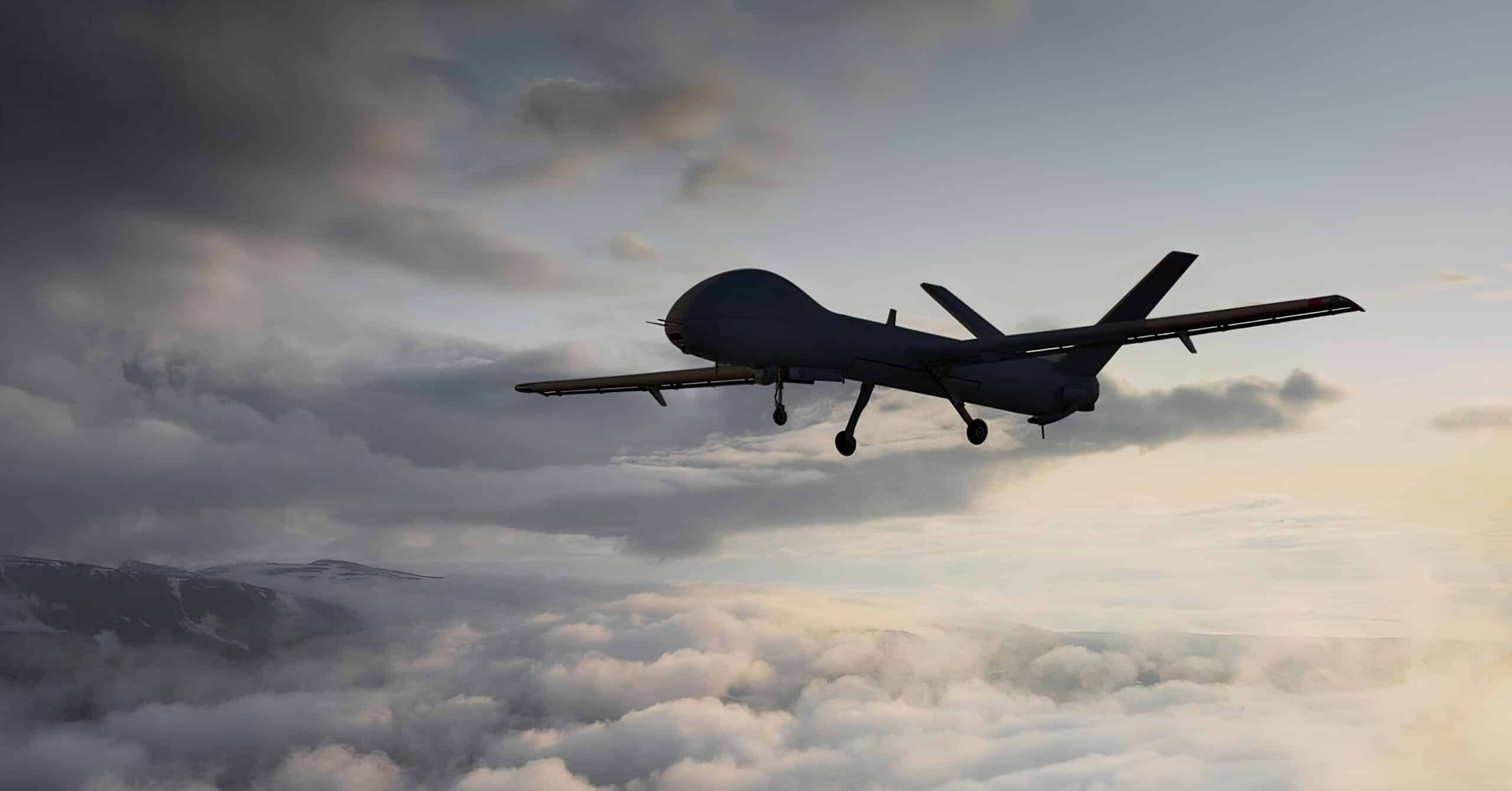
“Until Operation Rising Lion, we were unable to do this fully. This capability really broke through that very day, when aircraft took off from Palmachim Airbase for the third circle,” Col. K., the outgoing head of the Israeli Air Force’s remotely piloted aircraft branch, said of the first time remotely piloted aircraft took part in strikes in Iran. “It’s an incredible source of pride to see the aircraft at the forefront heading toward Iran.”
It is difficult to overstate the importance of remotely piloted aircraft during nearly three years of war. From intelligence gathering to strikes and targeted killings, the force has become an integral part of the Israel Defense Forces’ operations on every front. In the past week alone, the force carried out about 30 strikes in the Gaza Strip, the West Bank and Lebanon. Last month, it took part in the killing of terrorist Qais Bitoun in Jenin and about a week ago it accompanied the arrest of Moin al-Arabid in the Gaza Strip.
Col. K., the first woman to command the remotely piloted aircraft force, retired from the IDF last month after 30 years of service. She now looks back on the transformation the force underwent during the war: expanding its operational range as far as Iran, increasing its weapons-carrying capacity and upgrading its intelligence-gathering capabilities, as well as establishing a direct link between operators in control stations and commanders and troops on the ground.
Continue reading this article on ynetnews.com